
Digital Twins & Connected Operations
See what is happening on your floor, what it costs, and what to change. Digital twins, system integration, and facility capture for manufacturers, warehouses, and multi-site service companies.
- Can’t tell if a line is on pace until the shift ends?
- Do downtime and waste costs only show up at month-end?
- Thinking about automation or robots, but unsure where they fit?
‘corePHP’ connects your business systems and your floor systems, captures your facility, and builds a live model of how your operation runs. Use it to find waste, test changes before you make them, and plan for automation.
Start with the questions you cannot answer today. You do not need sensors, scans, or robots to begin.
Discuss Your OperationFour steps from data to automation.
Each step delivers results on its own. Start where your operation is today.
-
Step 1Understand
Model how your business works.
We define your metrics, rules, and costs from the systems you already run, such as ERP, accounting, and scheduling software. Your team agrees on one definition for each number.
What you gainAnswers your team trusts.
-
Step 2Connect
Bring floor data next to business data.
We connect machine data, SCADA systems, and workforce software to your orders and costs. Where a machine has no data connection, a clip-on sensor can fill the gap.
What you gainHour-by-hour progress to target and a daily view of cost.
-
Step 3See
Put your operation on a map of your real facility.
We capture your space with handheld LiDAR and Gaussian splatting, a photoreal 3D capture method. A drone covers high or hard-to-reach areas. We schedule a capture around your production. Live status from your systems appears on top of the capture.
What you gainProblems are visible at a glance, in the place they happen.
-
Step 4Act
Test changes before you spend money.
We simulate process changes such as run order, staffing, and layout. If you are considering robots, we test candidate robots in a simulation of your facility before you buy.
What you gainDecisions backed by your own data.
Who this is for
See cost, downtime, and progress to target in one place.
Track material cost per run, downtime and its cost, startup waste, and progress to target. Connect floor systems to the ERP and accounting data behind them.
Start here: Name the cost you want to see sooner.
Planning for robots? Start with the data.
Robots need a mapped space, clean data, and defined processes. We build those foundations first. Your data from the first three steps shows which repetitive, physically demanding tasks fit automation best.
When you are ready, we test candidate robots in a simulation of your facility. The simulation checks reach, clearance, and throughput before you commit.
We work alongside your robot provider.
Your robot provider
Supplies, installs, and certifies the equipment. Hardware servicing and firmware stay with the provider.
‘corePHP’
Builds the map, the data, and the process definitions. Connects the robots to your systems where the platform allows it.
See a facility capture.
A Gaussian splat is a photoreal 3D capture you can explore in a browser. Your facility can be captured the same way, with live data placed on top.
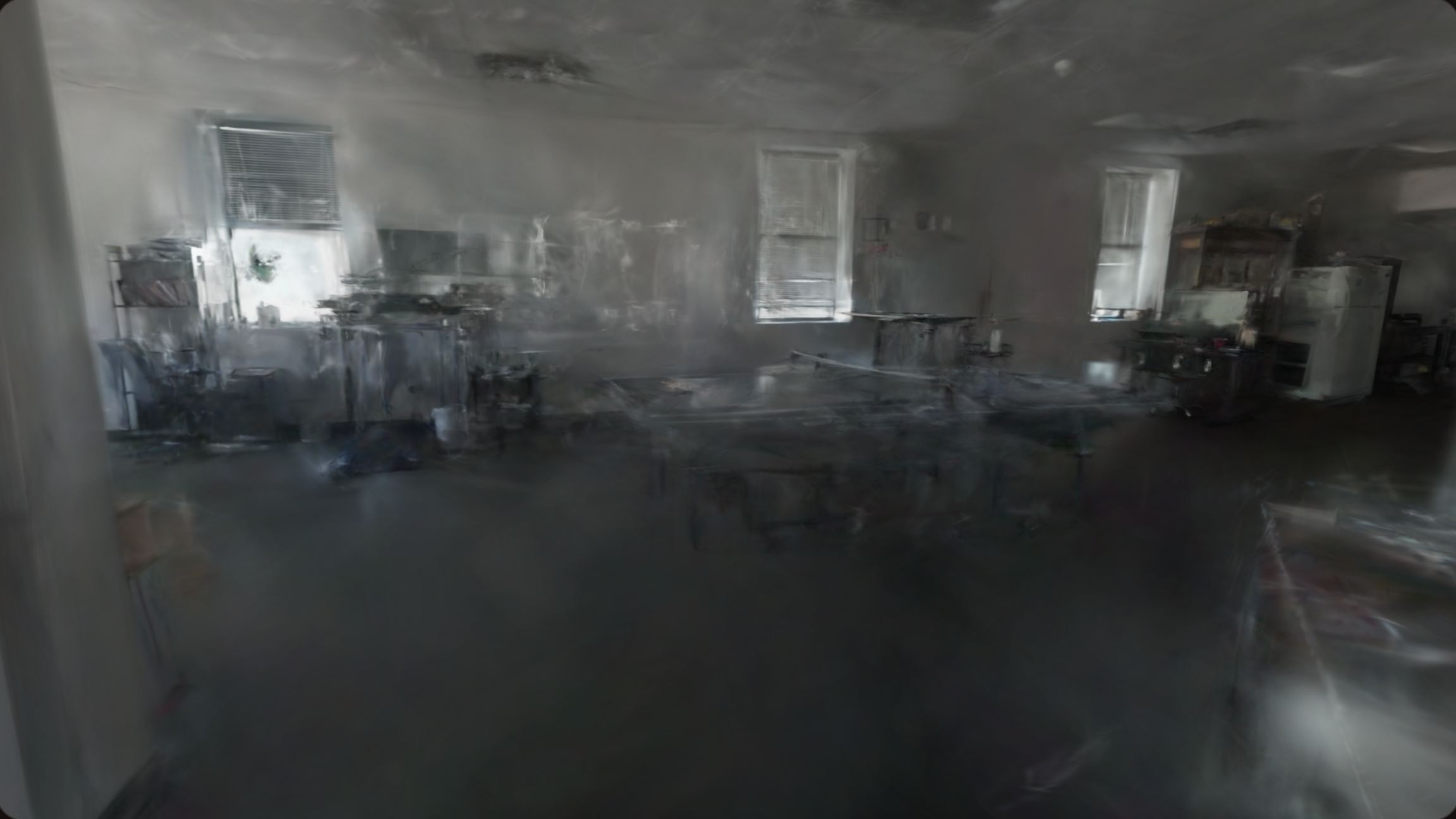
We are taking on a small number of early projects in manufacturing and distribution.
Your first step: a discovery conversation.
Bring the questions you cannot answer today. We will discuss:
- The questions
- What you cannot answer today, what it costs you, and what it takes to find out now.
- The facility
- Layout, equipment, people, and operating constraints.
- The systems
- ERP, accounting, scheduling, SCADA, spreadsheets, or paper.
- The next step
- Whether a definitions project, a data connection, a facility capture, or a pilot is the right place to begin.
If the project is a fit, we scope the next phase with defined deliverables, responsibilities, and pricing.
Discuss Your OperationStart with a pilot your team can evaluate.
Choose one question, one area, and clear success measures. Establish a baseline, test in your facility, and use the results to decide what comes next.
We measure results in your terms
- Downtime cost
- Waste per run
- Progress to target
- Staff time
Engage us for an initial assessment, a defined project, or ongoing software support. Expansion follows when the results support it.
Questions before you reach out?
Do we need robots, or plans for robots?
No. Most of the value comes from understanding, connecting, and seeing your operation. Robots become an option once those foundations exist.
Do we need sensors or SCADA already?
No. We start with the systems you have. Where a machine has no data connection, a clip-on sensor can fill the gap.
How do you capture our facility?
We use handheld LiDAR and Gaussian splatting for most spaces, and a drone for high or hard-to-reach areas. We schedule capture around your production and follow your site safety rules.
Who owns the capture and the data?
You do. Your facility capture, definitions, and operational data belong to your company.
Is a digital twin required for every project?
No. The level of modeling depends on the decisions you need to make. Some projects need only a definitions layer and a data connection.
Can you work with our existing robots or automation?
We start by reviewing the platform’s APIs, documentation, licensing, and data access. That review establishes what we can integrate and support. Hardware servicing and firmware stay with the equipment provider.
How much does a project cost?
Pricing depends on facility scope, the systems involved, capture needs, and support requirements. After discovery, we define the next phase and its pricing so you can evaluate the commitment.
What would you most like to know about your operation?
Tell us the question you cannot answer today, or the process you want to improve.
We will review your inquiry and contact you to discuss the right next step.